November 18, 2026
Books Marketing: 14 Proven Strategies That Sell in 2026
Discover 14 books marketing strategies with real costs, timelines, and tradeoffs. Learn what works, avoid waste, and sell more books.
TL;DR
Nearly 80% of indie authors say marketing is their biggest challenge, and most top-ranking guides online list 100 tactics without telling you what they cost or whether they work. This guide covers 14 books marketing strategies with real price ranges, expected timelines, and honest tradeoffs. The short version: build an email list first, optimize your Amazon listing before spending on ads, and treat writing your next book as a marketing strategy. If you want professional help managing it all, explore book marketing services that bundle these channels under one roof.
Why Books Marketing Is the Author’s Biggest Challenge
A recent survey found that 78.5% of indie authors cite marketing as their biggest challenge. Not writing. Not editing. Not cover design. Marketing.
The reason is simple. Discoverability is fragmented across Amazon, Apple Books, Barnes & Noble, Goodreads, TikTok, Instagram, podcasts, email, and dozens of smaller channels. Authors spend months or years writing a book, then hit a wall of options with no clear roadmap for what to spend money on first.
Most “book marketing ideas” articles online respond to this problem by listing 100 tactics in a single post. That breadth looks impressive, but it leaves authors more overwhelmed than when they started. What’s missing is depth: actual costs, realistic timelines, and honest assessments of which strategies work for which types of books.
This guide takes the opposite approach. Fourteen strategies, each with the numbers and tradeoffs you need to make real decisions.
If terms like ACoS, CTR, or ARC are unfamiliar, our marketing glossary for authors covers them in plain language.
At-a-Glance Comparison Table
| Strategy | Cost Range | Time to Results | Best For | Difficulty | ROI Potential |
|---|---|---|---|---|---|
| Email marketing | $0–$50/mo | 3–6 months | All authors | Medium | Highest long-term |
| Amazon Ads | $5–$30/day | 30–60 days | Genre fiction, KU | Medium-High | High (with series) |
| BookTok / TikTok | $0 (organic) | Variable | Romance, fantasy, YA | Medium | Highest upside |
| Goodreads giveaways | $119–$599 | 2–4 weeks | Pre-launch discovery | Low | Moderate |
| Newsletter swaps | $0 | 1–2 weeks | Series authors | Low | Moderate-High |
| BookBub Featured Deals | $152–$1,109 | Days | Price promo launches | Low (if accepted) | Highest single event |
| Amazon listing optimization | $0 | Immediate | All authors | Low | High per hour spent |
| Social media (IG, FB, LinkedIn) | $0–$500/mo | Ongoing | Supporting channel | Medium | Low-Moderate |
| PR & podcast pitching | $1,500–$5,000/mo | 1–3 months | Nonfiction, authority | High | Long-term |
| ARC distribution | $0–$100 | 2–4 weeks pre-launch | Review generation | Low | High (compounds) |
| Series strategy | Cost of writing | 6–18 months | All fiction, some nonfiction | High | Highest lifetime |
| Meta (FB/IG) Ads | $5–$30/day | 30–60 days | List building, 35+ audience | Medium-High | Moderate-High |
| Direct sales & storefronts | $0–$50/mo | 1–3 months | Wide authors | Medium | Growing |
| Book launch campaign | Varies | 10–12 weeks prep | All authors | High | Multiplier |
1. Email Marketing and Newsletter Building
Best for: Every author, at every stage, in every genre.
Email marketing is the single most important books marketing channel. In a 2025 survey of 1,346 authors, an email list was rated the most effective tactic, period. Industry research consistently shows email delivering an average return of $36 to $42 for every $1 spent, dramatically higher than social media.
The numbers at the author level are just as striking. A Kindlepreneur survey of over 800 authors found that those with email lists of 15,000+ subscribers earn 20 times more than those without a list. And Written Word Media’s mid-2026 survey of 582 authors showed newsletter use climbing from 39% among authors earning under $500/month to 73% among those in the $2,500 to $10,000 tier.
What it costs:
- Free tier tools like Mailchimp or Kit (formerly ConvertKit) from $25/month
- Most authors need 12 to 24 months of consistent effort before their list passes 1,000 subscribers
- A list of 1,000 engaged subscribers can drive 100 to 500 book sales on launch day
Tradeoffs:
- Slow to build. This is a marathon, not a sprint.
- Requires a reader magnet (free novella, bonus chapter) to attract sign-ups.
- Consistency matters. Irregular emails kill open rates.
What practitioners say: One self-published author with 20+ books on Amazon admitted on Substack that over the last decade he’d spent an enormous amount of time, energy, and money promoting books on social media, and became convinced “this is the wrong approach.” He pivoted to content and email. That shift reflects a broader pattern: authors who build owned audiences outperform those who rent attention from algorithms.
For a deeper breakdown of tools and terminology, see our email campaigns guide for authors.
2. Amazon Ads (Sponsored Products)
Best for: Genre fiction authors, especially those enrolled in Kindle Unlimited.
Amazon Ads are the primary paid books marketing channel for self-published fiction. You’re advertising directly where people buy books, which eliminates the friction of sending traffic offsite.
One practitioner who has managed over $225,000 in ad spend for 350+ authors since 2017 shared a key finding: clicks on fiction average 70 to 90 cents in 2026, up from around 20 cents in 2017. The market has gotten significantly more competitive.
What it costs:
- Average CPC: $0.30–$0.60 (some genres higher)
- Minimum useful budget: $150–$300/month
- Expect 30–60 days to optimize, with initial ACoS often 150–300% before stabilizing
The honest math: At a $2.99 ebook with $0.50 CPC and 3–5% conversion rate, an author spending $420/month on ads can expect to lose $330–$368 monthly. The math improves with higher price points and series read-through. For KU-enrolled fiction with strong page reads, Amazon’s reported ACoS understates true ROI because page reads aren’t attributed. Many KU authors run at 80–100% reported ACoS and still profit.
Tradeoffs:
- Running ads before your book page converts is the most common mistake. Traffic to a weak cover or blurb wastes budget regardless of targeting.
- A contrarian analysis concluded that for most indie authors, Amazon Ads aren’t a growth tool but a money pit unless you have an optimized funnel and series.
- Requires ongoing management and keyword research.
If you’re still setting up your book on Amazon, our KDP publishing guide walks through the foundation you need before running ads.
3. BookTok / TikTok Marketing
Best for: Romance, fantasy, YA, and literary fiction authors willing to create short-form video content.
BookTok is the highest-upside organic channel in books marketing right now. According to Circana Bookscan, approximately 59 million print book sales were attributed to BookTok in 2025, up from 46 million in 2023. The hashtag has accumulated over 200 billion views. Barnes & Noble now has permanent BookTok sections in every store.
The commercial impact is measurable: 45% of TikTok users have purchased a book after seeing it on the platform, and BookTok-influenced titles drove a 65% increase in print sales for recommended books in 2024.
What it costs:
- Organic: Free
- TikTok Ads CPM for book categories: $8–$20
- Middle path: gifting books to BookTok creators. A creator with 20,000 engaged followers who posts a genuine reaction can drive 200–500 sales from a single video.
What actually goes viral: The most important insight about BookTok virality is that authentic emotional response is the fuel. Creators who have genuinely read and been moved by a book produce content that viewers can intuitively distinguish from paid promotion. Practitioners in indie reading communities report that even simple slideshow formats work for debut authors, proving that production value matters far less than authenticity.
Tradeoffs:
- Results are unpredictable. You can post 50 videos before one takes off.
- Genre-dependent. Literary fiction and nonfiction struggle compared to romance and fantasy.
- Algorithm changes can wipe out reach overnight.
4. Goodreads Giveaways and Community
Best for: Pre-launch discovery and building social proof through reviews.
Goodreads giveaways won’t produce a traceable sales spike on their own. They’re a discovery and credibility play. When you run a giveaway, Goodreads automatically adds the book to every entrant’s Want-to-Read shelf, which is a powerful form of passive marketing.
What it costs:
- Standard giveaway: $119
- Premium giveaway: up to $599
- One author’s ten-paperback Standard giveaway generated 4,299 Want-to-Read adds and 11 ratings
Tradeoffs:
- Low direct sales conversion. Think of it as planting seeds, not harvesting.
- Goodreads advertising beyond giveaways now runs through direct sales with high minimums, making giveaways the only affordable paid tool for most indie authors.
- The community can be harsh. A giveaway won’t save a book with fundamental quality issues.
5. Newsletter Swaps and Cross-Promotion
Best for: Series authors with an existing (even small) email list who want free reader acquisition.
In a survey of 1,300 authors, email newsletter swaps were voted the most underrated marketing tactic. The concept is simple: you recommend another author’s book to your list, and they recommend yours. Both authors gain new readers at zero cost.
What it costs:
- $0. Tools like StoryOrigin and BookFunnel facilitate matching.
- Time investment: 1–2 hours to set up each swap
Key insight: The most successful authors treat newsletter swaps as the beginning of a relationship rather than a one-time transaction. Building ongoing partnerships with 5–10 authors in your genre creates a reliable, renewable source of new subscribers.
Tradeoffs:
- You need a list to swap with. Authors with fewer than 200 subscribers may struggle to find partners.
- Quality varies. Not every swap partner’s readers will overlap with your ideal audience.
6. BookBub Featured Deals
Best for: Price promotion launches on books with existing reviews.
A BookBub Featured Deal is the single most powerful promotion event available to authors. BookBub’s curated email list reaches millions of genre-specific readers, and acceptance into a Featured Deal can drive hundreds or thousands of sales in a single day.
What it costs:
- $152 to $1,109+, depending on genre and pricing tier
- You’re promoting at $0.99 or free, so revenue per unit is low, but volume makes up for it
Tradeoffs:
- Acceptance is competitive and editorial. Many authors apply multiple times before getting in.
- Works best when combined with other tactics (Amazon Ads, newsletter swaps) for a coordinated push.
- Not a reliable, repeatable channel since you can’t control when or if you’re accepted.
7. Amazon Listing Optimization (A+ Content, Keywords, Categories)
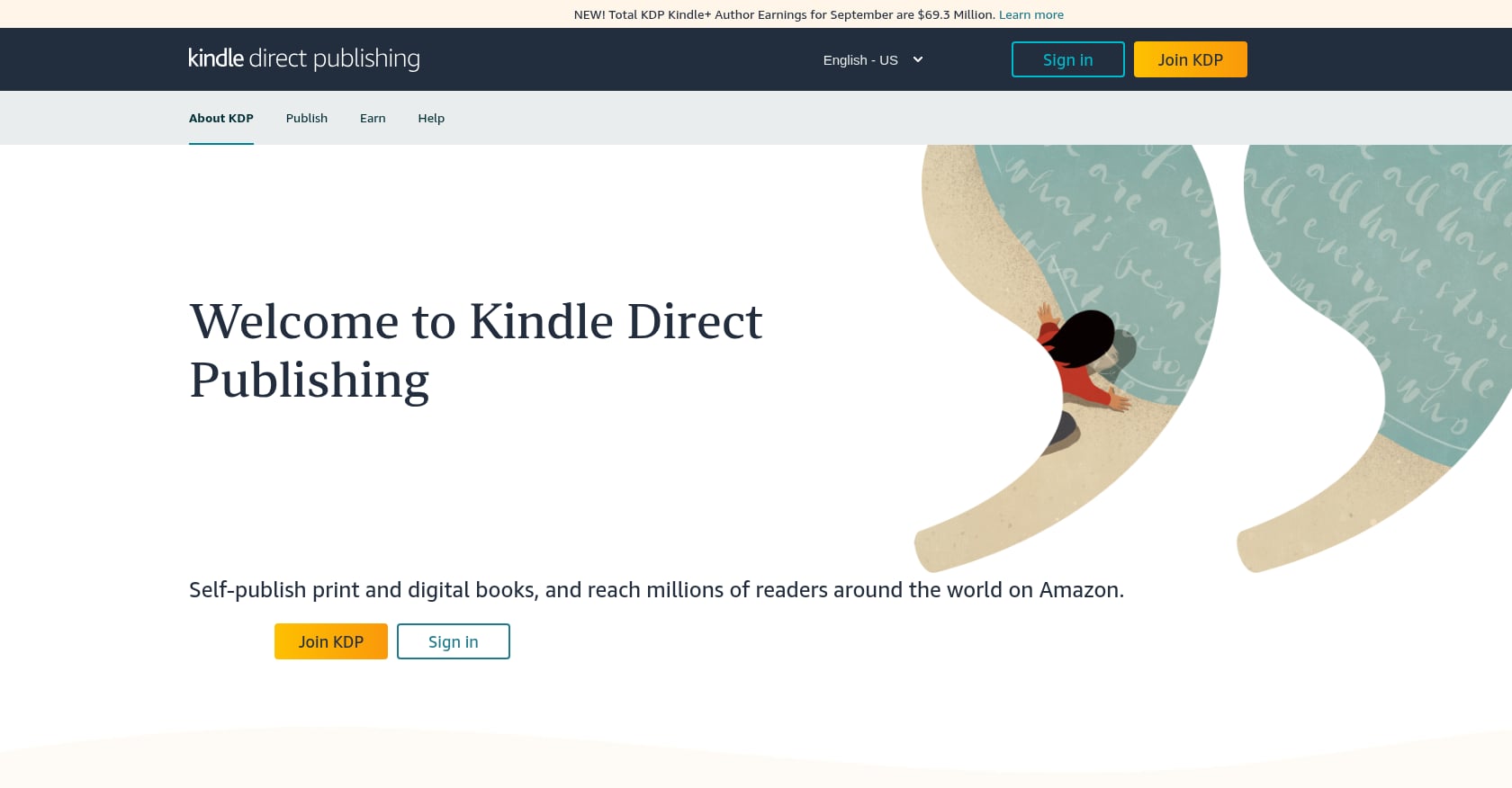
Best for: Every author. This is free and takes effect immediately.
Metadata is the highest-ROI, lowest-cost discovery lever available to self-published authors, and it’s the one most frequently left half-finished. Your book’s title, subtitle, description, keywords, and categories determine whether Amazon’s algorithm surfaces it to the right readers.
What to optimize:
- Keywords: Fill all seven keyword slots with researched terms
- Categories: Select the most specific, least competitive categories where your book fits
- A+ Content: If you have a Kindle ebook, you can apply for Amazon’s free A+ Content feature (enhanced product pages). Authors who use it report 3–10% higher conversion rates.
- Cover: As one author noted in a Goodreads discussion, “a very strong cover works as a great lure.” Cover design is marketing, not just aesthetics.
What it costs: $0 and a few hours of research.
For step-by-step help, our guide to Amazon Author Central setup covers profile optimization in detail.
Tradeoffs:
- Requires keyword research skills (or tools like Publisher Rocket)
- Amazon’s category system changes frequently
- A+ Content has a learning curve for formatting
8. Social Media Platform Strategy (Instagram, Facebook Groups, LinkedIn)
Best for: Supporting other channels, not as a primary sales driver.
Social media in books marketing is a supporting actor, not the lead. The organic reach of a Facebook page hovers around a paltry 2–5%. Instagram rewards consistency but rarely drives direct sales. LinkedIn works well for nonfiction and business book authors.
Genre matching matters:
- Romance and fantasy authors do well on BookTok and Instagram
- Nonfiction authors thrive on LinkedIn and Twitter/X
- Children’s book authors get traction on Instagram and Pinterest
What it costs: $0 for organic, $500+/month if you boost posts or run campaigns.
The critical warning: Skipping email marketing entirely and relying only on social platforms leaves your entire audience at the mercy of algorithm changes you can’t control. Social media burnout is real. One author with 20 books on Amazon admitted social media “works for some people, but it doesn’t work for me when it comes to selling books.” Build social presence, but always funnel followers to your email list.
Tradeoffs:
- Time-intensive for uncertain returns
- Platform algorithms change constantly
- Content creation can eat into writing time
9. PR and Media Pitching (Podcasts, Book Bloggers, Publicity)
Best for: Nonfiction and authority-building authors. Long-term credibility asset.
Podcast pitching reaches highly engaged, self-selecting readers. Author interviews on book podcasts are one of the most effective earned-media tactics because podcast listeners tend to take action on recommendations at higher rates than social media followers.
What it costs:
- DIY pitching: $0 plus time
- Entry-level publicist: $500–$2,500
- Mid-range multi-channel launch with publicist consultation: $2,500–$10,000/month
The 2026 playbook emphasizes earning media through podcasts and PR rather than chasing paid ads alone. For nonfiction authors especially, a single well-placed podcast interview can generate more qualified leads than months of social posting.
Tradeoffs:
- Expensive if you hire a publicist
- Results take 1–3 months to materialize
- Fiction authors get less media pickup than nonfiction
For a broader overview of how publicity fits into the launch timeline, see our book launch tips guide.
10. ARC (Advance Reader Copy) Distribution
Best for: Generating reviews before and immediately after launch.
Reviews compound over time. A book with 50 reviews ranks higher and converts more browsers into buyers than one with five. ARC distribution is how you build that review base before your book goes live.
What it costs:
- BookSirens: $10/book
- Booksprout: Free tier available
- NetGalley: Higher cost, better for traditionally published or well-funded indie authors
Tradeoffs:
- Not all ARC readers leave reviews. Expect a 30–50% review rate.
- Quality of reviews varies. Some ARC readers provide thoughtful feedback; others leave one-liners.
- Timing is crucial. Distribute ARCs 4–6 weeks before launch.
11. Series Strategy and Writing More Books
Best for: Every fiction author and many nonfiction authors. This is the consensus top strategy among successful indie authors.
The single most effective books marketing strategy is writing your next book. Multiple experienced authors on forums and in interviews conclude the same thing: “the best way to market your book is to write another book.”
The data backs it up. Authors with 3+ published books earn 4.7x more per month than single-book authors, even controlling for time on the platform. Series are particularly powerful because it’s easier to get a reader to buy the next book in a series than to convince them to buy a standalone.
Why it works as marketing:
- More books mean more entry points for new readers to discover you
- Series create compounding read-through revenue
- Every marketing dollar you spend goes further when there are more books to sell through
- Amazon’s algorithm rewards authors with deeper catalogs
Consider expanding into audiobook production as well. Adding audio versions of existing titles creates another entry point without writing new content.
Tradeoffs:
- Writing takes time. This is a long-game strategy.
- Not helpful if you’ve only written one book and need sales now.
- Quality still matters. More bad books won’t help.
12. Meta (Facebook/Instagram) Ads
Best for: Email list building and reaching the 35+ reader demographic.
Meta Ads are one of the most effective paid books marketing channels beyond Amazon, particularly for building email lists and driving traffic to retailer pages. Facebook remains the dominant online ads platform for the 35+ age group, which overlaps heavily with many book-buying demographics.
What it costs:
- Average CPC: $0.50–$1.00
- Conversion rate: 1–3%
- Minimum useful budget: $150–$300/month
Tradeoffs:
- Lower purchase intent than Amazon Ads (readers aren’t actively shopping for books)
- Requires a landing page or reader magnet to convert clicks
- iOS privacy changes have reduced targeting accuracy since 2021
13. Direct Sales and Author Storefronts
Best for: Authors selling wide (not exclusive to Amazon) who want higher margins and reader data.
Most indie authors default to Amazon as their primary sales channel. But Amazon doesn’t share customer data. You can’t contact buyers when your next book launches. When you sell direct, you capture higher margins, collect reader data, and reduce dependence on any single platform.
One cozy mystery author increased her non-Amazon royalties by 180% with a simple ad pivot to wide retailers and her own storefront.
What it costs:
- Shopify: ~$39/month
- Payhip, Gumroad: Free to start, transaction fees apply
- BookFunnel for delivery: $20–$150/year
Tradeoffs:
- You handle customer service
- No Amazon algorithm boost for direct sales
- Requires driving your own traffic
14. Book Launch Campaign (Pre-orders and Coordinated Blitz)
Best for: All authors releasing a new title. This is the multiplier that combines multiple tactics into a time-bound event.
A launch campaign isn’t a single tactic. It’s a coordinated push that layers email, ads, ARCs, newsletter swaps, social, and PR into a concentrated window. Start marketing at least 10–12 weeks before your book is published. Build an audience before launch: a website and a few active social channels give readers a way to find and follow you, and an email list reaches them directly.
The launch timeline in brief:
- 12 weeks out: Finalize cover, set up pre-order, begin ARC distribution
- 8 weeks out: Start social media promotion, pitch podcasts and bloggers
- 4 weeks out: Activate newsletter swaps, ramp up email sequences
- Launch week: Coordinate BookBub deal (if accepted), run Amazon and Meta ads, send launch email to full list
For a detailed week-by-week breakdown, our book launch planning guide covers timelines, ARCs, and pre-orders.
Tradeoffs:
- Requires coordination across multiple channels simultaneously
- Pre-order pages need traffic, which means marketing starts before the book exists
- A weak launch doesn’t mean the book is dead, but momentum is harder to build later
What to Skip (and Why)
Not every books marketing tactic deserves your time. Experienced authors and publishing consultants consistently warn against three categories:
Paid reviews. They violate most retailer terms of service and readers can spot them. The risk to your reputation isn’t worth the shortcut.
Book trailers. One veteran assessment put it bluntly: “money and a week spent on something nobody searches for.” Unless you have a built-in audience on YouTube, the views won’t justify the investment.
Wire press releases. Mass-distributed press releases get ignored by journalists and rarely generate real coverage. Targeted pitching to specific podcasts and bloggers outperforms wire services every time.
A broader note on scams. Authors on Goodreads and Reddit repeatedly warn about marketing services that overpromise. Publishing consultants flag “marketing companies that promise instant fame and financial success, for a hefty price, and never deliver.” Look for transparent pricing, clear deliverables, and no guaranteed bestseller promises. If someone guarantees you’ll hit a bestseller list, walk away.
One veteran author-industry observer noted that “the people making the most money from the indie movement these days seem to be the people providing marketing services to authors, not the writers themselves.” That’s worth keeping in mind when evaluating any vendor.
How Much Does Books Marketing Cost?
Most authors start with $5 to $20 per day on paid advertising. A realistic first-year marketing budget is $500 to $2,000 for a self-published author testing the waters.
For a more serious launch, most authors spend between $2,500 and $10,000 on a coordinated campaign including ads, email setup, ARC distribution, and possibly PR. Many successful indie authors reinvest 20–30% of revenue back into advertising.
Here’s how budgets typically break down by stage:
- Just starting out: $0–$500. Focus on free tactics (email list, Amazon optimization, Goodreads giveaway, one social channel).
- Building momentum: $500–$2,500/month. Add Amazon Ads, newsletter swaps, and a second social platform.
- Scaling: $2,500–$10,000/month. Multi-channel campaigns including paid ads, PR, BookTok outreach, and coordinated launches.
For a full breakdown of where your money goes, our self-publishing cost guide covers everything from editing to distribution.
How to Choose the Right Marketing Mix
The right combination depends on your genre, budget, and career stage.
First-time author with no budget: Email list + Amazon optimization + Goodreads giveaway + one social channel. Get the fundamentals right before spending money.
Genre fiction author with a series: Amazon Ads + email list + newsletter swaps + BookTok. The series read-through makes paid acquisition profitable.
Nonfiction or authority author: PR + podcast pitching + LinkedIn + email + Amazon. Credibility-building channels matter more than volume-based tactics.
Author ready to scale: A full multi-channel approach combining paid ads, organic social, PR, email, and coordinated launches. This is where managing five or six channels simultaneously becomes a real operational challenge. Alpaca Authors’ book marketing services bundle Amazon Ads, Meta/TikTok campaigns, PR, email, Goodreads outreach, and newsletter placements under one team with transparent monthly pricing.
The common thread across all scenarios: discussions in r/selfpublish and r/selfpublishing show that roughly one-third of all conversation centers on visibility and sales. Authors care about this topic deeply, and the ones who succeed treat marketing as an ongoing practice, not a one-time launch event.
Frequently Asked Questions
What is the best book marketing strategy for self-published authors?
Email marketing consistently ranks as the most effective books marketing strategy across surveys and practitioner experience. Authors with substantial email lists earn dramatically more than those without one. That said, the best single strategy is writing your next book, because every new title multiplies the return on all your other marketing efforts.
How much does book marketing cost?
Book marketing costs range from $0 to $50,000+, depending on your publishing path, genre, and goals. Most serious self-published authors spend between $2,500 and $10,000 on a launch campaign. A reasonable starting budget for paid advertising is $5 to $20 per day. Many successful indie authors reinvest 20–30% of their book revenue into marketing.
Is BookTok worth it for authors?
Yes, for the right genres. BookTok drove approximately 59 million print book sales in 2025, and 45% of TikTok users report purchasing a book after seeing it on the platform. Romance, fantasy, and YA authors benefit most. Nonfiction authors will likely find better returns on LinkedIn or podcasts. The key is authentic content, not polished production.
How long does it take for book marketing to work?
It depends on the channel. Amazon listing optimization takes effect immediately. Amazon and Meta Ads typically need 30 to 60 days to optimize. Email list building requires 3 to 6 months of consistent work. PR campaigns take 1 to 3 months to generate coverage. The compounding effect of multiple strategies working together is where real momentum builds.
Should I hire a book marketing service or do it myself?
Start by learning the fundamentals yourself so you can evaluate any service intelligently. If you’re spending more time on marketing than writing, or if managing multiple ad platforms and outreach channels is overwhelming, a professional service can be worth the investment. Look for transparent pricing, clear deliverables, and no bestseller guarantees. Avoid any company that promises instant success.
What book marketing tactics should I avoid?
Skip paid reviews (they violate retailer terms), book trailers (low ROI for most authors), and wire press releases (ignored by real journalists). Be cautious of any marketing service that promises guaranteed bestseller status or charges high fees without clear, specific deliverables.
How many books do I need before marketing makes sense?
Marketing makes sense from day one, but it becomes significantly more effective with multiple books. Authors with 3+ published titles earn 4.7x more per month than single-book authors. If you have only one book, focus on free and low-cost strategies (email, Amazon optimization, social media) while writing your next one.
What’s the difference between Amazon Ads and Facebook Ads for books?
Amazon Ads reach readers actively shopping for books, which means higher purchase intent and more direct sales. Facebook (Meta) Ads are better for building email lists and reaching readers who aren’t in buying mode yet. Most authors running paid ads use both, with Amazon Ads driving immediate sales and Meta Ads feeding the top of the funnel.